
 Facebook
 X
X
 Pinterest
 Copy Link
For many buyers, school rankings are one of the first things they check when researching different towns. When you’re learning how to use school rankings when house hunting, the most important thing to understand is that there isn’t just one universal rating — each website uses its own data and methodology. That’s why the same school can look very different depending on where you search. Rather than trying to find a single “best” score, it’s more useful to understand what each resource is actually measuring and how to look at them together to get a more complete picture.
The Most Common School Rating Resources
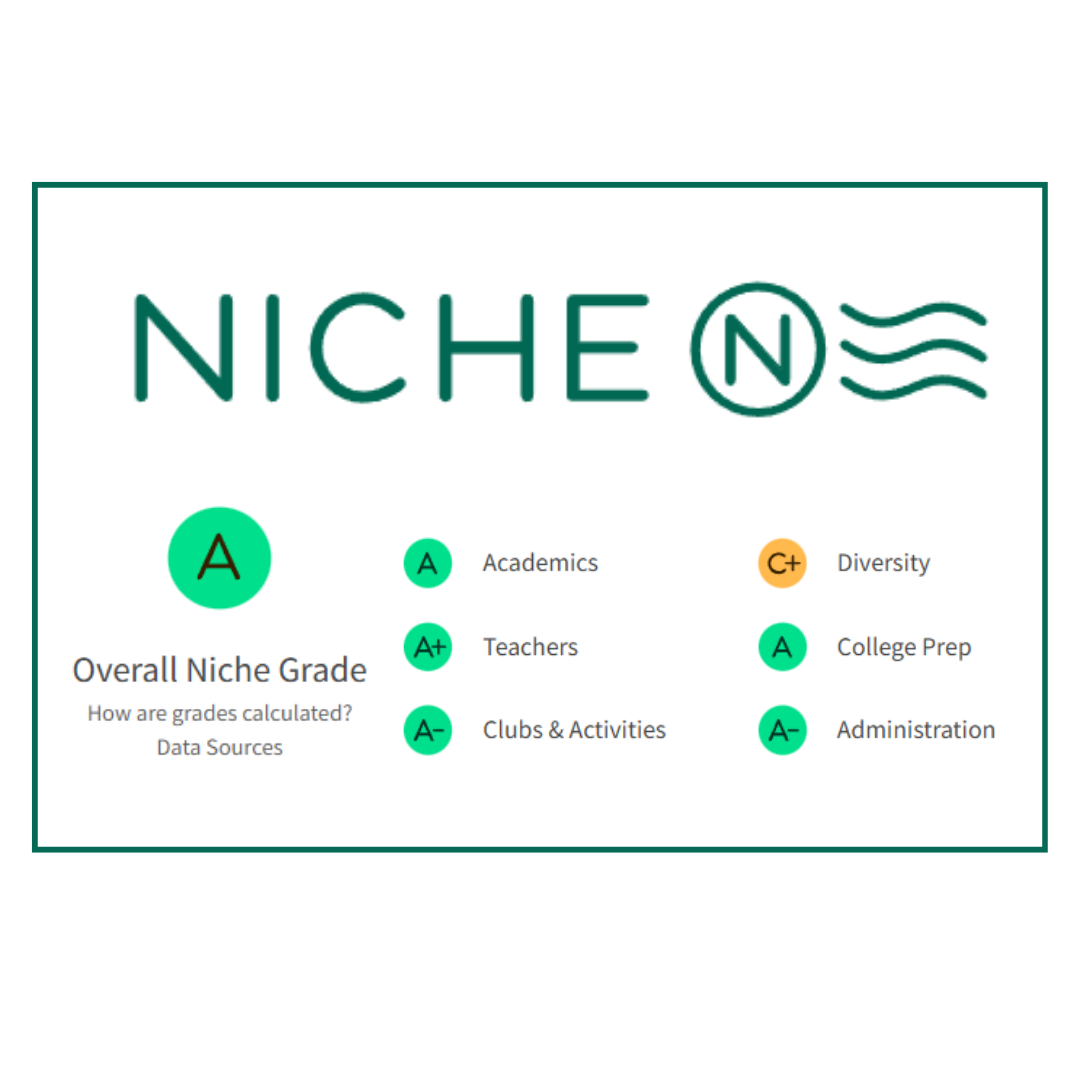
Niche → Overall Experience
Niche uses a letter-grade system (A–F) and combines:
-
Academics
-
Test scores
-
Student and parent reviews
-
Clubs and activities
-
College readiness
This is a helpful starting point if you want a big-picture view of school culture and student experience.
GreatSchools → Academic Snapshot
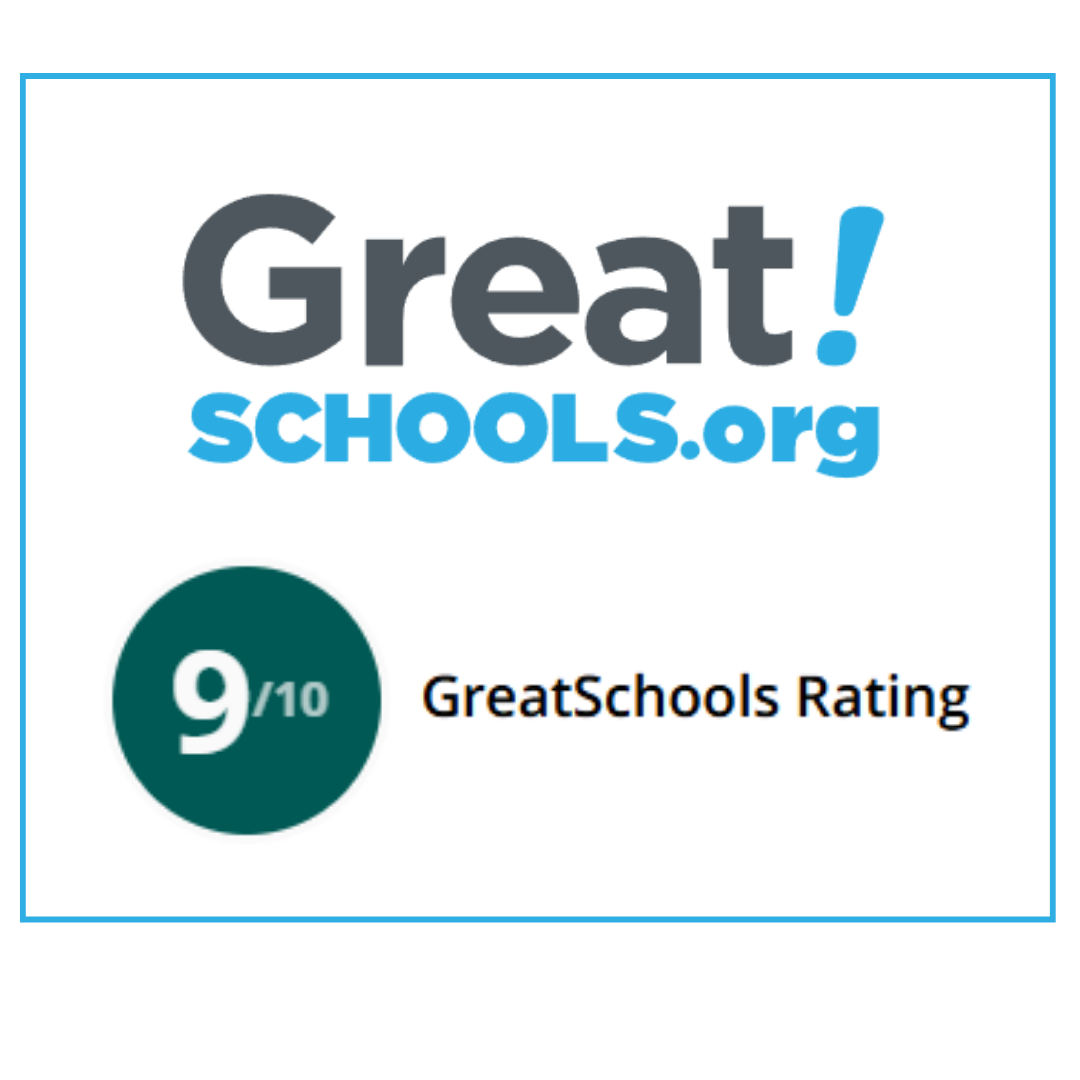
GreatSchools uses a 1–10 scale and focuses more heavily on:
-
Standardized test scores
-
Student progress
-
College readiness
Because it leans strongly on academic performance, it’s often used for quick comparisons — but it doesn’t capture everything that makes a school the right fit for a family.
NJ School Report Cards → Direct State Data
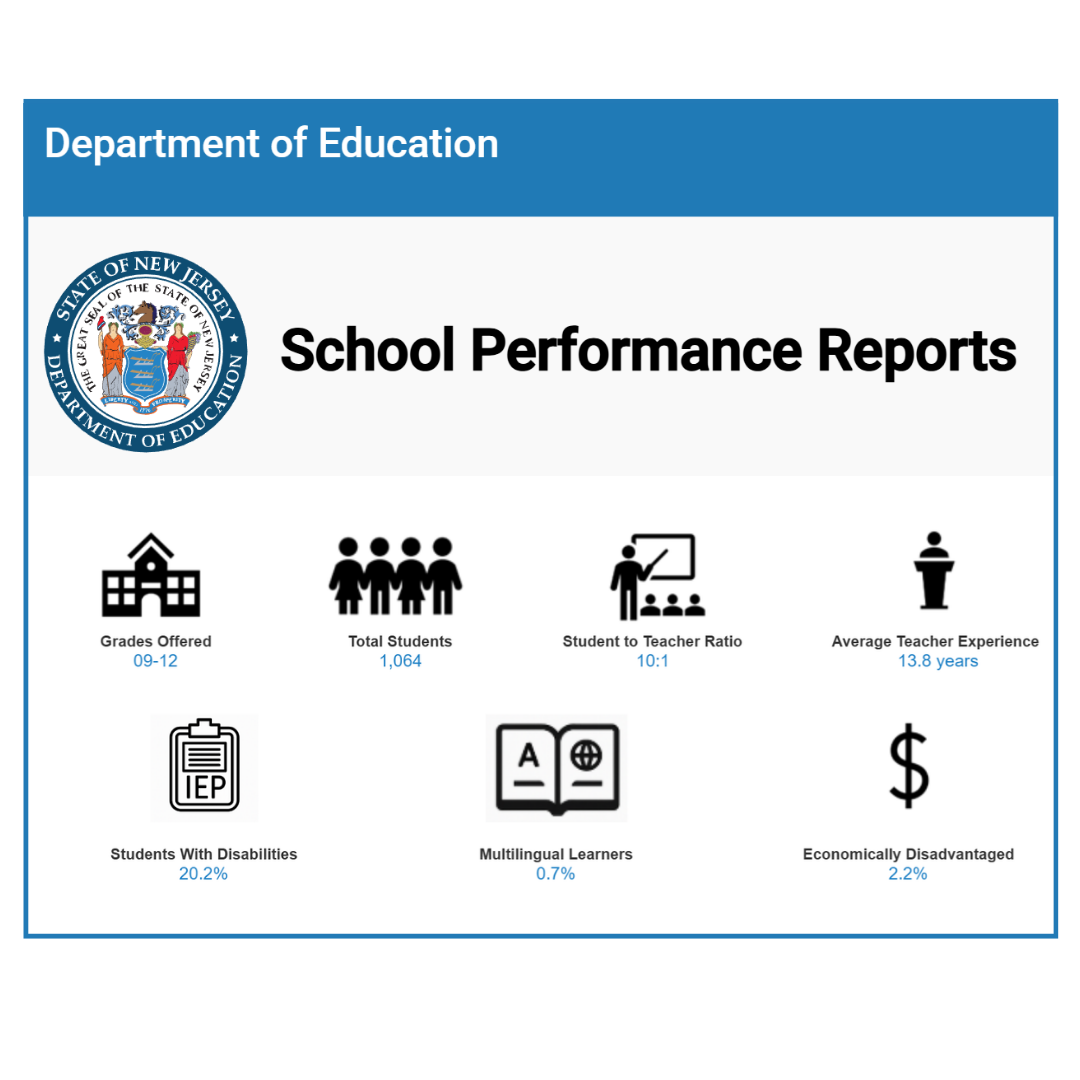
The New Jersey Department of Education provides one of the most detailed and objective resources. You can see:
-
Test results
-
Student growth
-
Class size
-
Demographics
-
Staff experience
-
Course offerings
If you prefer to look at the numbers yourself, this is the most comprehensive source.
U.S. News & World Report → High School Rankings
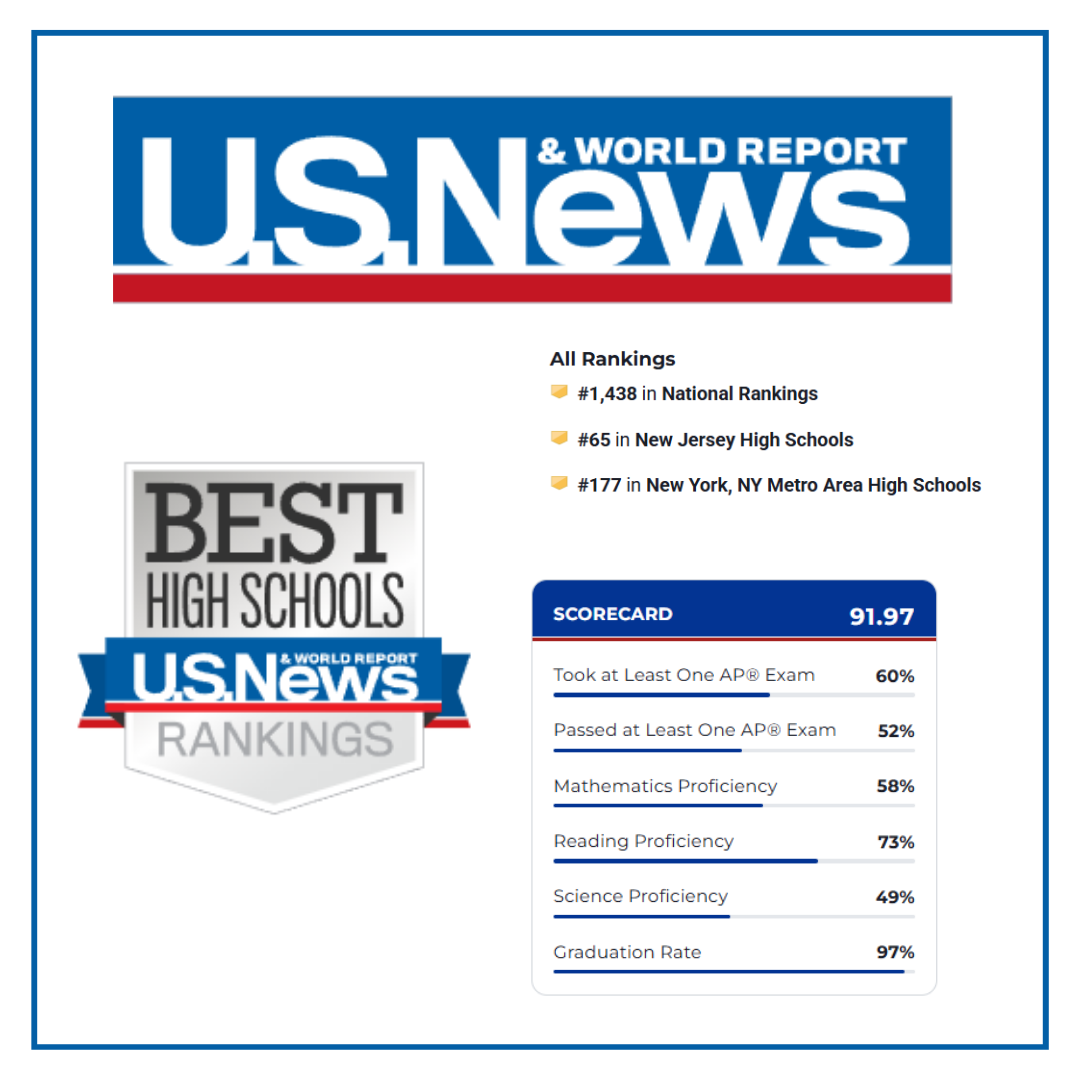
This is the ranking most often referenced for high schools, based on:
-
AP participation and performance
-
Graduation rates
-
College readiness
-
State assessment results
It’s commonly used for national and statewide comparisons.
Once you’ve reviewed the ratings and narrowed down the towns you’re considering, the next step is to dig a little deeper. Spend some time on the district websites to get a feel for the curriculum, academic pathways, extracurriculars, and extracurricular and support services, since those details often matter more than a single score. You’ll also want to confirm school zoning for any specific address, as in most New Jersey towns elementary schools are assigned by location. From there, it really comes down to your priorities — whether that’s strong academics, small class sizes, certain programs, walkability, before- or after-care, or a particular learning environment. This is really the heart of how to use school rankings when house hunting — using them to narrow your options while focusing on the factors that matter most to your family.
The Bottom Line
School rankings are a starting point — not the decision-maker. When you understand how to use school rankings when house hunting, they become a tool to help you compare towns and move your search forward with more clarity and confidence.
If you’re in the research phase and want to see how I help buyers turn all of this information into a clear, step-by-step plan, you can learn more about my buyer process here →


