
 Facebook
 X
X
 Pinterest
 Copy Link
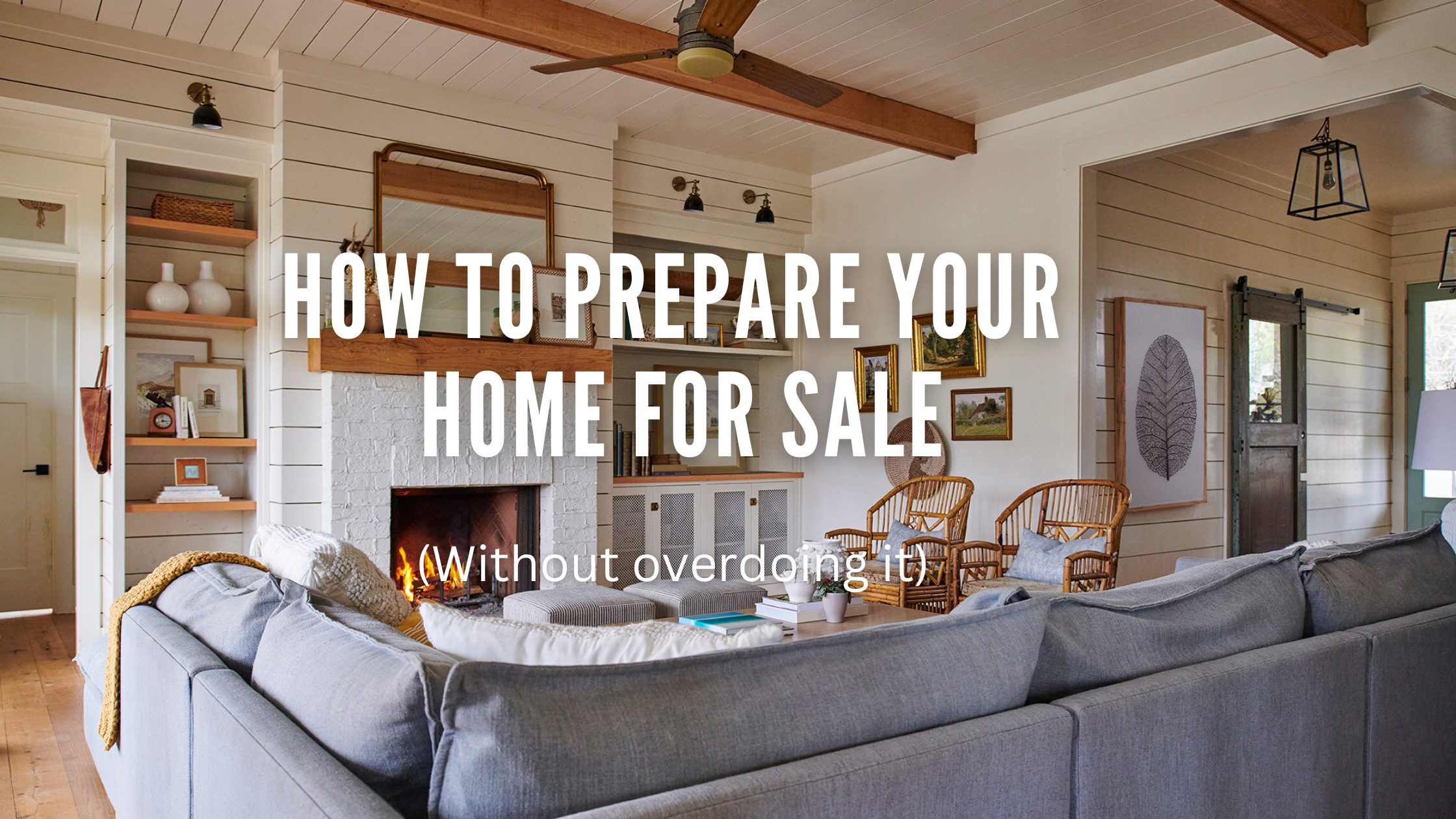
Preparing your home for sale isn’t about checking off a long to-do list or making unnecessary upgrades. It’s about understanding how buyers think, how your home fits into its local market, and what preparation actually moves the needle.
In today’s market, some homes truly can sell as-is. Others benefit from thoughtful, strategic preparation. The key is knowing what’s worth doing for your specific home, goals, and timeline.
This framework is how I help sellers prepare their home for sale clearly and intentionally — without creating extra work or pressure to renovate.
1. Start With a Deep, Detailed Clean When You Prepare Your Home for Sale
A deep clean can make a bigger impact than many updates. A spotless home signals care and good maintenance. This helps buyers feel confident and can support stronger pricing, according to Realtor.com
A true deep clean should include:
- Dusting, vacuuming, and mopping all floors and surfaces
- Paying attention to baseboards, appliances, vents, and hard‑to‑reach areas
- Neutralizing odors so the home smells fresh and inviting
Pricing too high — even slightly — can stall activity and weaken negotiating power.
2. Address Known or Obvious Issues Early
Buyers — and inspectors — tend to notice patterns. A handful of small issues can quickly add up and create the impression that a home hasn’t been well maintained, even if that’s not the case.
Addressing minor items can go a long way in signaling care and attention. Simple fixes like:
-
Leaky faucets or running toilets
-
Loose handles, railings, or fixtures
-
Cracked tiles or visibly damaged areas
-
Scuffed walls or obvious wear
Individually, these are small things — but collectively, they help buyers feel confident about how the home has been cared for.
At the same time, it’s important to think honestly about any known major issues that are very likely to come up during inspection. Items such as a non-functioning furnace or HVAC system, an underground oil tank, or ongoing water or structural concerns are rarely overlooked and can significantly impact a buyer’s ability or willingness to move forward.
Not every home needs extensive repairs. The goal isn’t to make everything new — it’s to reduce friction and avoid surprises that can weaken negotiations later. In New Jersey, sellers are also required to disclose certain known issues — including material defects and environmental concerns — under the Consumer Protection Enhancement Act (CPEA). Getting ahead of these items before completing disclosures can work to a seller’s advantage
3. Focus on Presentation — Not Renovation
Preparing to sell does not mean renovating your home. In most cases, thoughtful presentation is far more effective than major upgrades.
Simple, strategic steps can include:
- Decluttering personal items so buyers can visualize the space
- Removing bulky or outdated furniture to improve flow
- Refreshing walls with neutral paint if needed
- Considering professional or virtual staging when it makes sense
The goal is to help buyers emotionally connect to the home and see its potential without over‑customizing or overspending. When you prepare your home for sale, buyers aren’t just evaluating the space, they’re deciding how confident they feel moving forward.
4. Be Intentional About Pricing Strategy
When you prepare your home for sale, having a clear pricing and marketing strategy matters just as much as presentation.
The goal isn’t necessarily the highest list price — it’s creating momentum and competition early in the listing period. Homes that are priced strategically from the start tend to attract more interest and stronger offers.
Effective pricing requires:
- Understanding how similar homes are actually selling in your specific neighborhood
- Looking at recent sale prices, not just list prices
- Considering current buyer demand and competition
Pricing too high — even slightly — can stall activity and weaken negotiating power.
5. Remember: This Is Always Case by Case
This is the most important part of the framework.
Not every home needs every step above. In this market:
- Some homes can sell as‑is
- Some benefit from light preparation
- Others need a more thoughtful positioning strategy
How you prepare your home for sale should always be tailored to your goals, your timeline, and how your home compares within its local market. That’s why I walk sellers through a personalized approach — focusing on pricing strategy, preparation, and positioning based on their specific home and goals. You can learn more about how I work with sellers here.
6. Lean on Local Insight
There is no universal checklist that works for every home. Local market knowledge is what helps sellers prioritize — and avoid unnecessary work.
Working with an agent who understands buyer behavior, neighborhood nuances, and current competition allows you to:
- Focus on what truly matters
- Skip what won’t impact results
- Make confident, informed decisions
The Bottom Line
Preparing your home for sale isn’t about doing everything — it’s about doing the right things, intentionally and strategically.
If you’re considering a move and want help deciding what prep makes sense for your home (and what you can skip), I’m always happy to talk it through. You can reach out here to start the conversation.


